
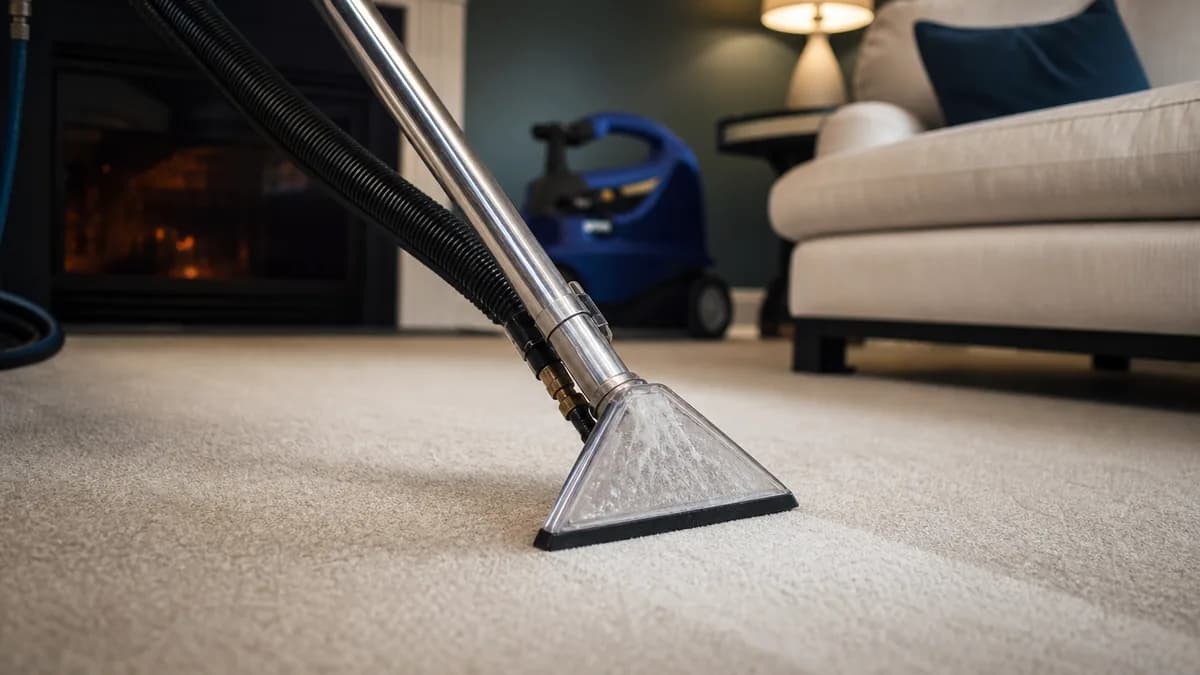
Hot-Water Extraction Carpet Cleaning Explained
Published by PHD24 · UK plumbing, heating and drainage guidance
Hot-water extraction sprays a controlled cleaning solution into carpet and immediately recovers it with suspended soil. Despite the nickname 'steam cleaning', the main mechanism is rinsing and extraction.
Understanding the system shows which observations matter and where DIY should stop. The aim is not to turn every homeowner into an engineer, but to help you describe the installation clearly and make a proportionate next decision.
How to use this information
Heating systems combine water, controls, electricity and sometimes gas. Homeowners can observe symptoms and use normal user controls, but removing covers, altering safety devices or repeatedly repressurising a system without finding the cause can turn a modest fault into a larger one.
How the process works
- Identify fibre, backing, underlay and colourfastness first. Compare the observation with the appliance manual and the behaviour of the rest of the system. Do not remove covers or alter safety controls to investigate further.
- Vacuum dry soil and pre-treat appropriate stains. Dry the area first, then check it again under normal operating conditions. The timing and first point of fresh moisture are more useful than the final spread of the stain.
- Use the correct temperature, chemical and water volume.
- Extract thoroughly and speed drying with ventilation and air movement.
How to assess your own system
- Compare heating and hot-water performance to establish whether the fault is system-wide or limited to one circuit.
- Arrange competent diagnosis when pressure repeatedly changes, safety controls operate or heat is unreliable.
- Identify the appliance and system type from the label, manual and presence of a hot-water cylinder.
- Note fault codes, gauge readings and exactly when the symptom appears before resetting anything.
- Check only normal user controls, programmed times and accessible isolation positions described by the manufacturer.
Common mistakes to avoid
- Opening appliance cases, altering combustion components or defeating a safety device.
- Repeatedly topping up boiler pressure without investigating where the sealed-system water is going.
- Assuming every cold radiator needs bleeding; a cold bottom can indicate a different circulation problem.
- Using an unqualified person for work on gas appliances or safety controls on an unvented cylinder.
UK context and safety
It is not a substitute for flood restoration. Carpet affected by sewage, prolonged saturation or contaminated floodwater may need removal.
Work on a gas appliance or its flue must be carried out by a Gas Safe registered engineer who is qualified for that appliance category. Unvented hot-water cylinders also have safety controls that require appropriately competent work. If you smell gas, suspect combustion fumes or a carbon-monoxide alarm operates, leave the area, avoid switches or flames and follow the National Gas Emergency Service advice.
Prevention and ongoing care
A little planned care usually provides more value than repeated emergency intervention.
- Follow the appliance maker's service and maintenance schedule and keep the manual available.
- Check heating performance before winter rather than waiting for the first cold spell.
- Investigate small leaks, pressure changes and new noises while the system is still operating.
- Keep controls understandable and record any recurring fault codes or reset pattern.
Useful UK guidance
When to call PHD24
Where a plumbing leak caused the damage, PHD24 can stop and repair the source before cleaning begins.
A heating or hot-water visit should identify the system type, reproduce the symptom where possible and distinguish a control, hydraulic, electrical or appliance fault. That evidence lets the engineer explain whether adjustment, repair, cleaning or replacement is proportionate.
Call promptly if water cannot be isolated, wastewater is entering the property, heat or hot water has failed in vulnerable circumstances, or the fault involves gas, wet electrics or a risk to the building. For a non-urgent visit, photographs and a short history help PHD24 plan the right first attendance.
Frequently asked questions
Can I deal with this myself?
You can check normal controls and record fault information. Do not remove appliance covers or work on gas, combustion or unvented-cylinder safety components.
What information helps before an engineer visits?
Have the appliance make and model, system type, fault code, pressure reading and a note of whether heating, hot water or both are affected.
Does American plumbing advice apply directly in the UK?
Not without checking it carefully. UK terminology, Building Regulations, water-company responsibilities, Gas Safe requirements and common system designs differ from US practice. Follow current guidance for the relevant UK nation and the equipment actually installed.