
Clean, Grey and Black Water Damage Explained
Published by PHD24 · UK plumbing, heating and drainage guidance
Restoration specialists often describe water as clean, grey or foul/black according to its source and contamination risk. Conditions can worsen as water contacts materials or remains stagnant.
A safe job starts with isolation and a recovery plan before any tool is used. Confirm that the task is genuinely within normal user maintenance, have the correct parts ready and stop if the installation differs from the expected layout.
Prepare before you start
Floodwater is not simply a larger plumbing leak. It may contain sewage, silt, oils or chemicals, and it can undermine floors and affect hidden electrical systems. Safe access and contamination control come before pumping or cosmetic cleaning.
Three practical risk groups
- Clean water may start from a supply-pipe leak but still damage finishes and electrics. Dry the area first, then check it again under normal operating conditions. The timing and first point of fresh moisture are more useful than the final spread of the stain.
- Grey water from appliances or used fixtures may contain detergents and microbes. Separate the immediate make-safe action from cleaning, drying and reinstatement. Each stage may need different evidence and specialist input.
- Foul water from toilets, drains or flooding can carry serious biological hazards. Stop repeated flushing if the water level rises. Separate an inlet or cistern fault from a blockage, and check nearby fixtures for signs that the branch drain is also affected.
- Time, heat and porous materials increase the need for removal and disinfection. Complete this only from a safe, dry position and keep a record. Contamination, electrics and unstable finishes can change a simple task into specialist work.
A practical, safety-first sequence
- Keep people and pets out until electrical, structural and contamination risks are understood.
- Follow emergency-service or flood-warning instructions and do not walk or drive through moving floodwater.
- Identify whether the source is plumbing, drainage, surface water, groundwater or a public network issue.
- Photograph water levels and affected areas from a safe position before removal begins.
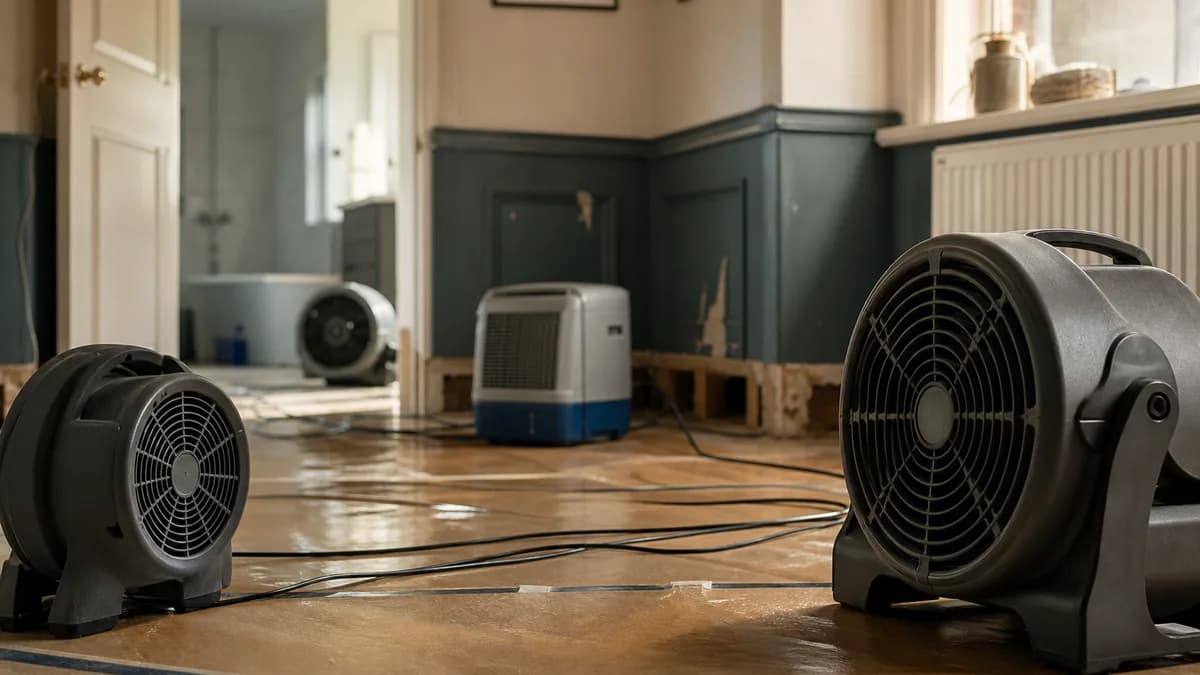
- Use suitable professional extraction and drying where water is contaminated or has entered cavities.
Common mistakes to avoid
- Treating sewage-contaminated material as ordinary household cleaning.
- Decorating over damp plaster or closing cavities before moisture readings support it.
- Assuming an online area map predicts the exact flood risk of an individual property.
- Switching electrical equipment on to test it after it has been wet.
UK context and safety
These labels guide risk assessment; they are not permission for unprotected DIY cleanup. Keep children and pets away from contaminated areas.
Assume floodwater is contaminated unless reliable evidence shows otherwise. Wear appropriate protection, cover cuts and avoid splashes, but do not enter deep or moving water. Electrical installations and gas appliances affected by flooding need competent inspection before they are returned to service.
Prevention and ongoing care
A repair is more durable when the surrounding causes and future access are considered as part of the job.
- Keep gullies, channels, gutters and pump inlets clear and test installed protection.
- Store important documents, medication and vulnerable belongings above likely water level.
- Review insurance terms and keep photographs of maintained flood-resilience measures.
- After an event, record what failed so the resilience plan improves before the next warning.
When to call PHD24
PHD24 can stop the plumbing or drainage source so a restoration specialist can deal with the affected materials.
PHD24 can address plumbing, drainage and pump faults that contribute to flooding. Large-scale extraction, hazardous contamination, structural drying, electrical safety and building restoration may require other specialists working to a coordinated plan.
Call promptly if water cannot be isolated, wastewater is entering the property, heat or hot water has failed in vulnerable circumstances, or the fault involves gas, wet electrics or a risk to the building. For a non-urgent visit, photographs and a short history help PHD24 plan the right first attendance.
Frequently asked questions
Can I deal with this myself?
Only minor clean-water incidents with no electrical, structural or contamination risk are suitable for ordinary household clean-up. Otherwise use appropriate specialists.
What information helps before an engineer visits?
Record the likely source, depth, timing, photographs and any warning or insurance reference, without entering unsafe water.
Does American plumbing advice apply directly in the UK?
Not without checking it carefully. UK terminology, Building Regulations, water-company responsibilities, Gas Safe requirements and common system designs differ from US practice. Follow current guidance for the relevant UK nation and the equipment actually installed.