
Clearing Shower Blockages with a Toilet Plunger
Published by PHD24 · UK plumbing, heating and drainage guidance
A correctly shaped plunger is usually the safest first tool for a soft blockage in a shower waste.
Understanding the system shows which observations matter and where DIY should stop. The aim is not to turn every homeowner into an engineer, but to help you describe the installation clearly and make a proportionate next decision.
How to use this information
Many cistern faults are accessible, but forcing old isolation valves or using mismatched replacement parts can create a leak. Note the cistern make, button arrangement and inlet position before buying components.
How to plunge effectively
- Stop flushing or running water before the level overflows. Stop repeated flushing if the water level rises. Separate an inlet or cistern fault from a blockage, and check nearby fixtures for signs that the branch drain is also affected.
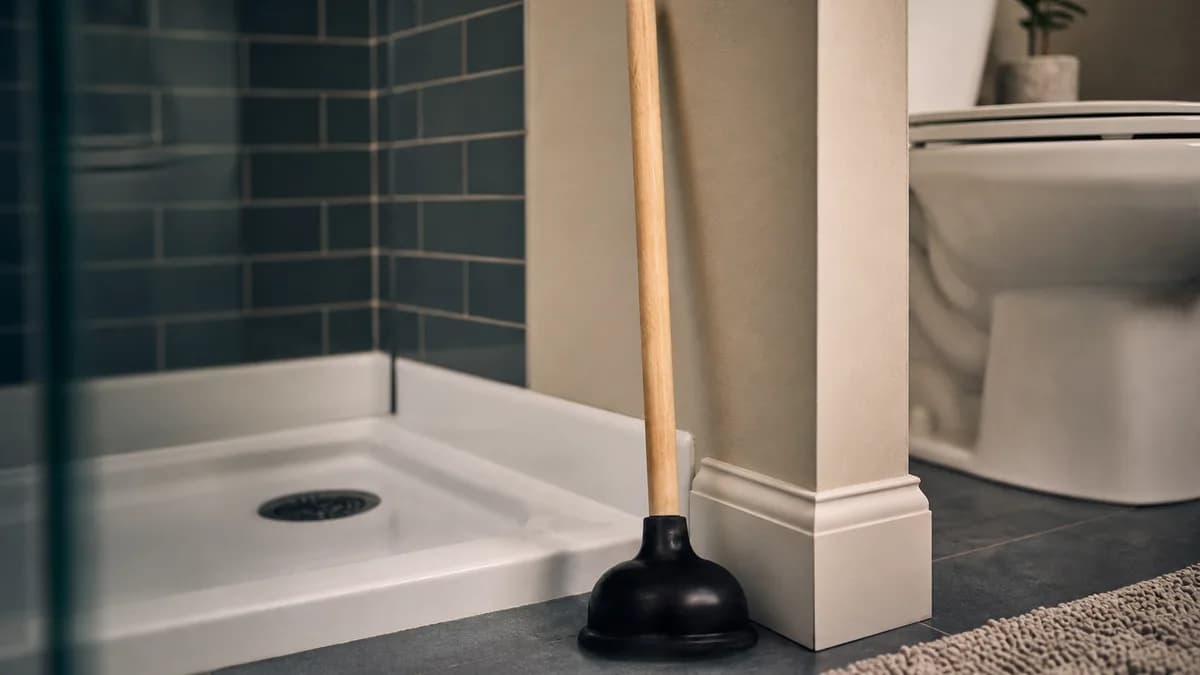
- Use a flange plunger for a toilet and a cup plunger for a flat outlet.
- Create a water seal around the plunger. Observe the cistern and pan separately, then test once. Repeated flushing can convert a manageable fault into an overflow.
- Pump steadily, release and test once the level falls. Follow the manufacturer's test method, keep clear of moving parts and verify the outcome rather than listening only for a motor. Wet electrical equipment needs competent attention.
- Stop if the obstruction is solid or other fixtures back up.
How to assess your own system
- Test carefully after work and check every disturbed joint with dry tissue for seepage.
- Stop flushing if the pan water is rising and close the local isolation valve if clean water continues to enter.
- Decide whether the symptom is a blockage, constant refill, weak flush or a leak outside the pan.
- Check other nearby fixtures for slow flow or gurgling that suggests a branch-drain problem.
- Use the correct plunger only when the pan is not overflowing and no chemical cleaner is present.
Common mistakes to avoid
- Ignoring movement or leakage at the base, which can damage the floor and soil connection.
- Flushing again when the water level is already high.
- Using drain chemicals in a blocked toilet or mixing cleaning products.
- Dropping cistern tablets where they degrade seals and moving parts.
UK context and safety
Avoid improvised chemical mixtures and never plunge after adding corrosive cleaner. Keep separate plungers for toilets and sinks/showers.
Wear gloves and use good hygiene around wastewater. Do not use a plunger or auger after adding a corrosive cleaner, because splashes can cause injury. A cracked pan or cistern can fail suddenly; stop using it and arrange replacement rather than attempting a cosmetic repair.
Prevention and ongoing care
A little planned care usually provides more value than repeated emergency intervention.
- Use cleaning products compatible with the seat, glaze, seals and cistern components.
- Investigate repeated blockages rather than repeatedly forcing them through.
- Flush only urine, faeces and toilet paper; put wipes and sanitary products in a bin.
- Repair continuous running promptly to avoid wasted water and wear.
Useful UK guidance
When to call PHD24
If plunging fails or the blockage returns, PHD24 can clear and diagnose the drain.
A toilet repair visit should identify whether the pan, cistern, water connection or branch drain is at fault. PHD24 can match parts where practical, correct leaks and investigate recurring blockages or movement that points beyond the visible fitting.
Call promptly if water cannot be isolated, wastewater is entering the property, heat or hot water has failed in vulnerable circumstances, or the fault involves gas, wet electrics or a risk to the building. For a non-urgent visit, photographs and a short history help PHD24 plan the right first attendance.
Frequently asked questions
Can I deal with this myself?
A simple cistern adjustment or careful plunging may be reasonable if there are no chemicals, cracks or wider drainage symptoms. Stop if isolation is unreliable or the pan is overflowing.
What information helps before an engineer visits?
Photograph the pan and cistern mechanism, note whether water rises or runs continuously and say whether other fixtures gurgle or drain slowly.
Does American plumbing advice apply directly in the UK?
Not without checking it carefully. UK terminology, Building Regulations, water-company responsibilities, Gas Safe requirements and common system designs differ from US practice. Follow current guidance for the relevant UK nation and the equipment actually installed.