
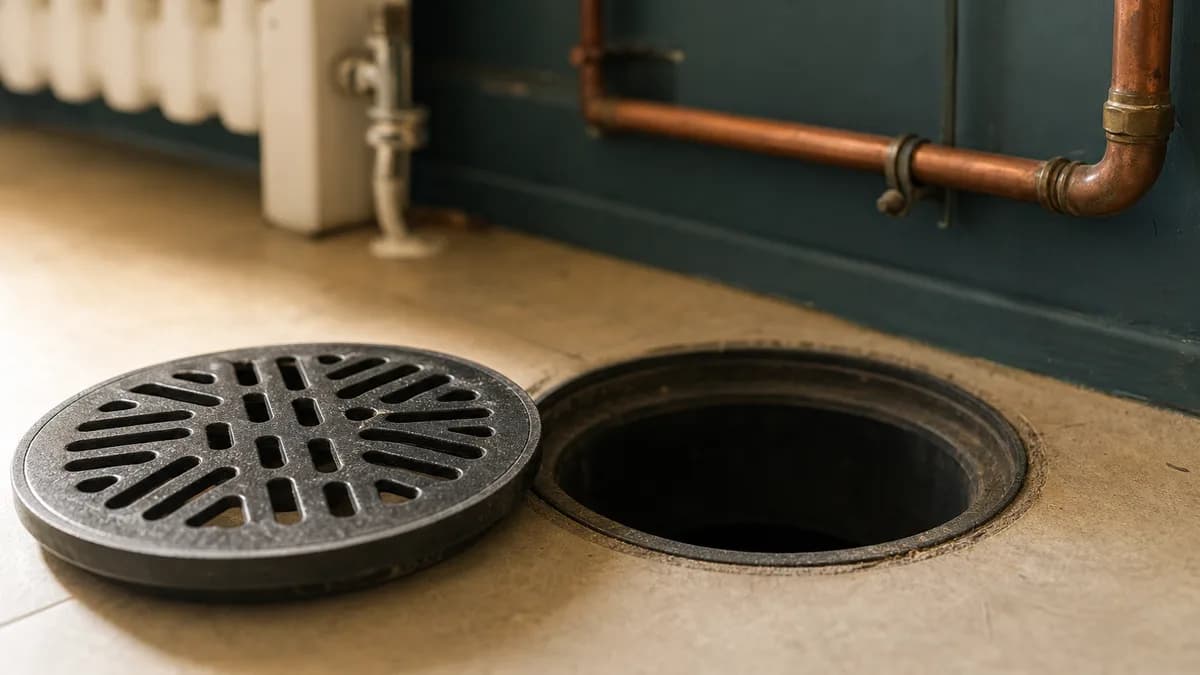
An Animal in the Drain? Safe Steps to Take
Published by PHD24 · UK plumbing, heating and drainage guidance
An animal trapped in a drain needs a coordinated rescue. Opening covers, entering chambers or running equipment without a plan can injure the animal and put rescuers at risk.
Understanding the system shows which observations matter and where DIY should stop. The aim is not to turn every homeowner into an engineer, but to help you describe the installation clearly and make a proportionate next decision.
How to use this information
Drain faults are easiest to diagnose when you look at the pattern rather than the mess alone. One slow fitting usually points to a local restriction; several affected fittings, a gurgling toilet or wastewater appearing at a low-level drain suggests the problem may be farther along the system.
What to do
- Keep people, traffic and pets away from the access point. Note which fixtures are affected and whether the result lasts. That evidence indicates whether the action addressed the cause or only moved the restriction.
- Contact the RSPCA or emergency services if there is immediate danger.
- Note sounds and likely entry points without flushing water into the system. Stop repeated flushing if the water level rises. Separate an inlet or cistern fault from a blockage, and check nearby fixtures for signs that the branch drain is also affected.
- Ask a drainage professional to use CCTV or safe access methods when requested by the rescue lead. Avoid creating dust or repeatedly scraping the pipe. Ask the water company about testing and coordinate any private supply replacement with its communication-pipe responsibilities.
How to assess your own system
- Record odours, noises, water levels and the weather conditions instead of repeatedly forcing water through the system.
- Use only a simple, non-destructive first measure that suits the fitting, and stop if it does not improve flow promptly.
- For recurring faults, request diagnosis such as CCTV or root-cause testing before agreeing to excavation or lining.
- Stop using the affected fittings if water is rising, sewage is escaping or continued use could flood the property.
- Work out whether one trap, one branch or several fixtures are affected; that distinction helps locate the restriction.
Common mistakes to avoid
- Assuming every pipe within the garden is privately owned without checking the drainage layout.
- Treating repeated clearing as a permanent repair when roots, displacement or collapse may be present.
- Putting hands into contaminated water or an inspection chamber without suitable controls.
- Mixing different drain chemicals or using chemicals after a product has already failed.
UK context and safety
Never enter a manhole or confined drain. Toxic gases, low oxygen, contaminated water and sudden flows can be fatal.
Wastewater can contain harmful microorganisms. Keep children and pets away, avoid direct contact, ventilate the area and wash thoroughly after any minor clean-up. Never enter a drain, sewer or confined chamber. Ownership also matters in England and Wales: the sewerage company usually maintains public sewers and many lateral drains, while the property owner is normally responsible for a drain serving only that property within its boundary.
Prevention and ongoing care
A little planned care usually provides more value than repeated emergency intervention.
- Retain survey footage and repair records so later contractors can compare changes accurately.
- Keep wipes, sanitary products, food scraps, fat and building waste out of the drainage system.
- Deal with slow flow early and note whether the same branch has needed previous attention.
- Keep accessible gullies and grates free of leaves without pushing debris into the pipe.
Useful UK guidance
When to call PHD24
PHD24 can support a properly coordinated rescue by inspecting accessible private drainage.
A useful drainage visit should do more than restore flow. The engineer should confirm the likely location, explain whether the symptom suggests a blockage or structural fault, and recommend CCTV, jetting, repair or monitoring only where the evidence supports it.
Call promptly if water cannot be isolated, wastewater is entering the property, heat or hot water has failed in vulnerable circumstances, or the fault involves gas, wet electrics or a risk to the building. For a non-urgent visit, photographs and a short history help PHD24 plan the right first attendance.
Frequently asked questions
Can I deal with this myself?
A single local restriction may respond to a plunger or accessible trap clean, but stop if several fixtures are affected, sewage is present, chemicals have been used or the fault quickly returns.
What information helps before an engineer visits?
Note which fixtures are affected, whether neighbours have symptoms, recent weather, previous blockages and any inspection-chamber observations made safely.
Does American plumbing advice apply directly in the UK?
Not without checking it carefully. UK terminology, Building Regulations, water-company responsibilities, Gas Safe requirements and common system designs differ from US practice. Follow current guidance for the relevant UK nation and the equipment actually installed.