
Finding and Repairing a Leaking Bath
Published by PHD24 · UK plumbing, heating and drainage guidance
Test a bath in stages to separate supply, overflow, waste and sealant leaks.
The symptom is the starting point rather than the answer. Record when it happens, what else changes at the same time and whether the condition is getting worse. Those details help separate a local fitting fault from a wider supply, drainage or heating problem.
What the symptoms can tell you
Small drips can damage cabinets, flooring and ceilings long before the flow looks dramatic. A prompt isolation and clear record of what was wet helps the plumber find the source and helps the owner or insurer understand the resulting damage.
Test one component at a time
- Inspect beneath the taps while the bath is dry. Test only when it is safe to restore water, then inspect the disturbed area with dry tissue. Stop if the source remains uncertain or water enters a concealed space.
- Run water into a bucket without wetting the bath to test supplies.
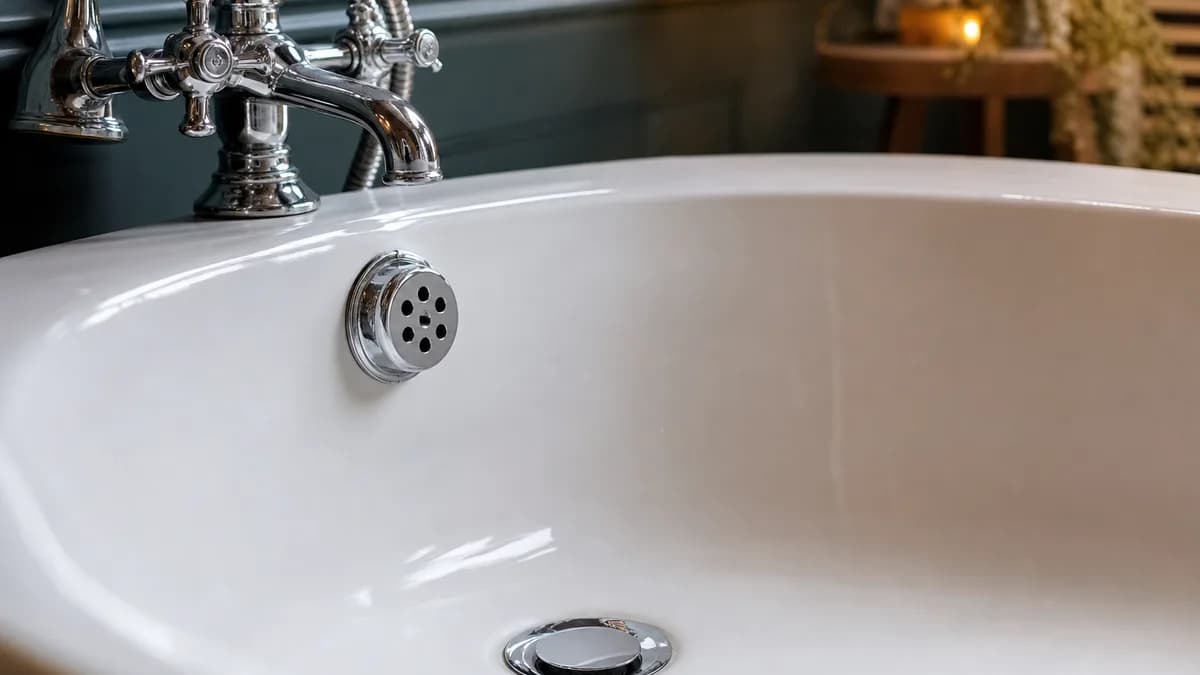
- Fill below the overflow and check the body and perimeter. Compare more than one outlet and note whether the change is constant or demand-related. Avoid adjusting pressure controls until the incoming supply and system type are understood.
- Test the overflow deliberately while observing access points.
- Release the plug and inspect waste and trap under full flow. A trap needs an intact water seal and a clear, correctly ventilated waste route. Refilling a dry trap may stop an occasional smell, but a recurring odour needs diagnosis.
A safe way to narrow down the cause
- Arrange trace-and-access or professional leak detection when the source remains concealed or ambiguous.
- Move people and valuables away from the wet area and keep water clear of electrical fittings.
- Stop the relevant appliance or outlet, then isolate the local valve or main stop tap if the leak continues.
- Dry accessible surfaces and observe where fresh water first appears without opening concealed spaces unsafely.
- Note whether the leak follows rain, flushing, bathing, heating operation or an appliance cycle.
Common mistakes to avoid
- Turning the water back on repeatedly when each test adds to the damage.
- Discarding failed parts or beginning major strip-out before documenting an insurance claim.
- Standing beneath a bulging ceiling or touching electrical equipment in a wet area.
- Assuming the visible stain is directly below the failed pipe.
UK context and safety
Do not keep testing if water is entering a ceiling or electrical area. Failed silicone can be renewed only after surfaces and hidden materials are dry.
Water and electricity are a dangerous combination. Do not touch a wet light fitting, socket, appliance or consumer unit; isolate power only if you can reach the correct control without entering the wet area. A ceiling that is bowed or holding water can collapse. Keep clear and call the appropriate emergency professional.
Prevention and ongoing care
Once the immediate fault is understood, use the findings to reduce the chance of a repeat.
- Check beneath sinks and around appliances periodically for staining, corrosion and swollen materials.
- Keep the main stop tap accessible and label appliance isolation valves.
- Replace damaged hoses and seals with parts suitable for the appliance and pressure.
- Act on an unexplained water-meter movement or a persistent fall in system pressure.
When to call PHD24
PHD24 can trace the stage that leaks and repair the correct component.
A plumber should establish the source, isolate or repair it and state whether further leak detection is needed. Drying, electrical inspection, building repair and insurance restoration may be separate tasks, so ask which parts of the recovery the plumbing visit covers.
Call promptly if water cannot be isolated, wastewater is entering the property, heat or hot water has failed in vulnerable circumstances, or the fault involves gas, wet electrics or a risk to the building. For a non-urgent visit, photographs and a short history help PHD24 plan the right first attendance.
Frequently asked questions
Can I deal with this myself?
You can isolate water and contain a small accessible drip when it is safe. Concealed leaks, wet electrics, damaged ceilings and uncontrolled flow need professional help.
What information helps before an engineer visits?
Provide photographs, timing, the affected room, what was in use, whether isolation stopped the water and any relevant meter or boiler-pressure change.
Does American plumbing advice apply directly in the UK?
Not without checking it carefully. UK terminology, Building Regulations, water-company responsibilities, Gas Safe requirements and common system designs differ from US practice. Follow current guidance for the relevant UK nation and the equipment actually installed.