
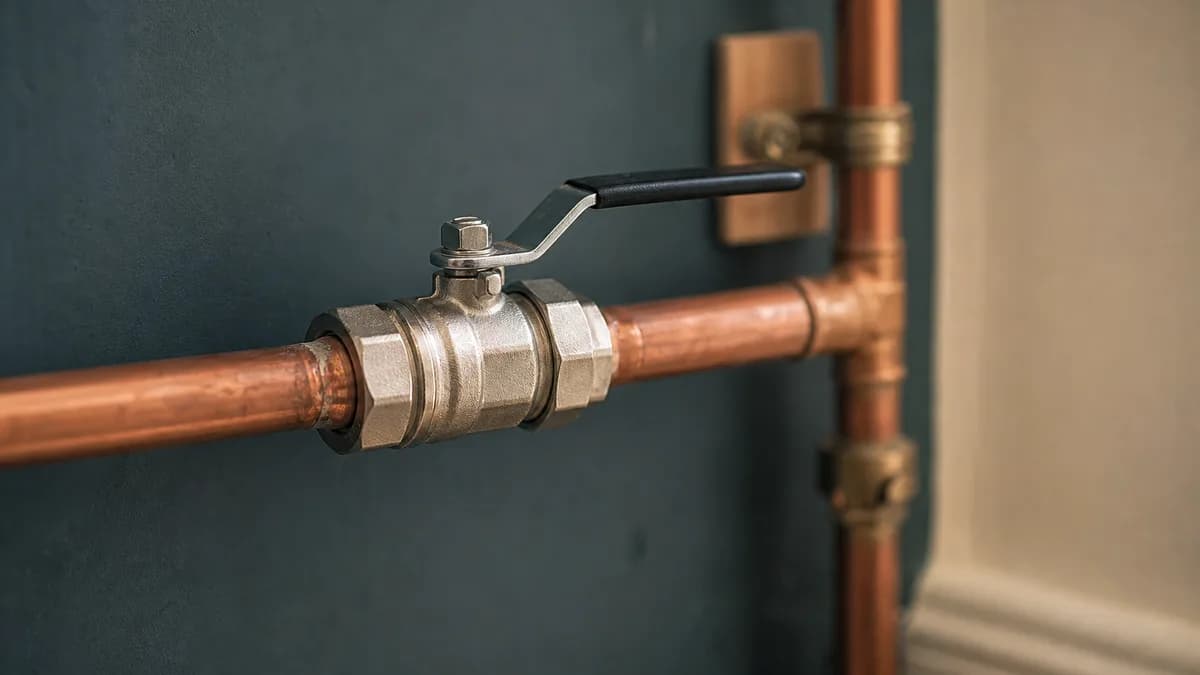
Five Supply Isolation Valve Faults to Watch For
Published by PHD24 · UK plumbing, heating and drainage guidance
Isolation valves allow one fixture or appliance to be serviced without shutting down the whole property, but they can seize or leak after years without use.
Understanding the system shows which observations matter and where DIY should stop. The aim is not to turn every homeowner into an engineer, but to help you describe the installation clearly and make a proportionate next decision.
How to use this information
A homeowner can often collect useful evidence and complete low-risk maintenance, but diagnosis becomes more important as soon as work affects concealed pipes, shared drainage, gas appliances, fixed electrics or safety controls.
Five common faults
- The screwdriver slot or handle will not move. Use the product instructions and the actual UK installation as the reference point; stop if the expected layout, part or control is not present.
- The spindle leaks when the valve is operated. Operate it gently and confirm that flow actually stops; a seized or passing valve should be repaired under controlled conditions, not forced during an emergency.
- Water still passes when the valve is closed.
- The body or connector is corroded. Identify the relevant service and safe isolation first. Keep the work accessible until a controlled test shows that every connection performs correctly.
- The valve is hidden, inaccessible or labels the wrong outlet.
How to assess your own system
- Identify the relevant water, waste, heating and electrical connections and how each can be isolated.
- Check measurements, access and the condition of existing valves before dismantling anything.
- Read the manufacturer's instructions and confirm replacement parts suit the UK installation.
- Test one change at a time and inspect every disturbed joint before closing access.
- Record what was found so recurring problems and future quotations start with better information.
Common mistakes to avoid
- Copying US terminology, measurements or code advice into a UK installation.
- Removing access or boxing in joints before testing and inspection are complete.
- Attempting gas, fixed electrical or safety-critical work without the required competence.
- Buying parts from appearance alone without checking size, connection and system compatibility.
UK context and safety
Do not force a valve on fragile pipework. Know where the main stopcock is before testing a local isolation valve.
Do not work on gas appliances, fixed electrical circuits or safety controls unless you hold the appropriate competence. Before any DIY plumbing task, confirm isolation, protect against hot water and consider what will happen if an old valve does not close or a fitting breaks.
Prevention and ongoing care
A little planned care usually provides more value than repeated emergency intervention.
- Schedule seasonal checks around frost, heating demand and periods when the property is empty.
- Use qualified specialists for regulated or safety-critical work and keep their records.
- Keep stop taps and local isolation valves labelled and accessible.
- Address drips, slow drains, loose fittings and sealant failure before finishes are damaged.
When to call PHD24
PHD24 can replace failed valves and leave important controls accessible and labelled.
PHD24 can inspect the existing installation, explain the realistic options and separate urgent repair from optional improvement. Clear photographs, model details and a short fault history help the engineer arrive better prepared.
Call promptly if water cannot be isolated, wastewater is entering the property, heat or hot water has failed in vulnerable circumstances, or the fault involves gas, wet electrics or a risk to the building. For a non-urgent visit, photographs and a short history help PHD24 plan the right first attendance.
Frequently asked questions
Can I deal with this myself?
Only proceed when you understand the isolation, the task is low risk and the instructions match the UK installation. Stop if gas, fixed electrics, hot-water safety or concealed services are involved.
What information helps before an engineer visits?
Send clear photographs, model details, the age of the installation, the exact symptom and a note of which outlets or services are affected.
Does American plumbing advice apply directly in the UK?
Not without checking it carefully. UK terminology, Building Regulations, water-company responsibilities, Gas Safe requirements and common system designs differ from US practice. Follow current guidance for the relevant UK nation and the equipment actually installed.