
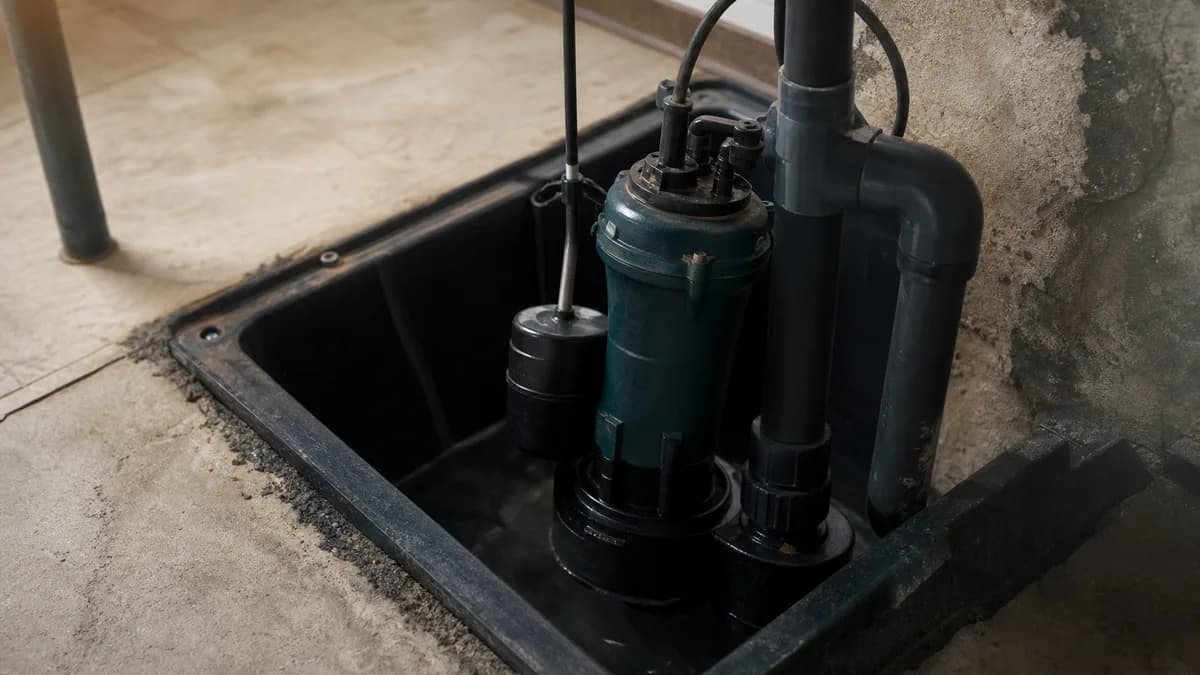
Battery Backup for a Sump Pump: Is It Worth Having?
Published by PHD24 · UK plumbing, heating and drainage guidance
A backup is valuable when pump failure during a power cut would quickly flood an occupied or valuable space.
Compare whole-life suitability rather than a headline feature or price. Capacity, compatibility, access, maintenance, safety and the condition of the existing services can all change the sensible choice.
Assess the whole installation
Pump reliability matters most during a storm or power interruption, which is exactly when a neglected component is likely to be exposed. Testing should therefore confirm automatic starting and discharge, not merely that the motor makes a noise.
When backup is worthwhile
- Estimate how quickly the sump fills during heavy rain. Confirm the actual operating result and record it; noise alone is not proof of correct pumping, level control or discharge.
- Check likely outage duration and the consequence of failure.
- Size the battery and backup pump for the required duty. Follow the manufacturer's test method, keep clear of moving parts and verify the outcome rather than listening only for a motor. Wet electrical equipment needs competent attention.
- Include a high-water alarm and a way to test it.
- Replace batteries on the manufacturer's schedule.
A practical comparison process
- Observe that water is actually discharged and does not flow back when the pump stops.
- Test alarms and any battery or secondary-pump arrangement under the specified conditions.
- Record the test date, unusual noise and run time so deterioration is visible before an emergency.
- Identify what water enters the chamber and where the discharge pipe ends.
- Follow the manufacturer's test method and keep hands, clothing and tools clear of moving or energised parts.
Common mistakes to avoid
- Working in a wet chamber without isolating electrical hazards.
- Fitting a battery backup without checking duty, run time, charging and alarm arrangements.
- Replacing only the pump when the chamber, valve or undersized discharge caused the failure.
- Assuming motor noise proves that the impeller and discharge route are clear.
UK context and safety
A small uninterruptible power supply may not suit a motor's starting current or damp location. Use purpose-designed equipment installed correctly.
Do not reach into a pump chamber while equipment is energised. Fixed electrical work in a damp or outdoor location requires appropriate design and competent installation. A pump handling foul water needs different hygiene controls and equipment from one intended only for groundwater.
Prevention and ongoing care
Build maintenance and future repair access into the choice rather than treating them as afterthoughts.
- Test the complete system at intervals recommended by the manufacturer and before severe weather.
- Keep the chamber and inlet free of debris that could obstruct the float or impeller.
- Inspect the discharge termination and non-return valve for blockage or backflow.
- Replace batteries on a planned basis and record their age.
When to call PHD24
PHD24 can review the pump and discharge arrangement and help plan resilient backup.
A competent pump visit should test the duty point, controls, alarm, non-return valve and discharge route as a system. Replacement selection should be based on flow, head, liquid type and resilience requirements, not solely on matching the old pump's physical size.
Call promptly if water cannot be isolated, wastewater is entering the property, heat or hot water has failed in vulnerable circumstances, or the fault involves gas, wet electrics or a risk to the building. For a non-urgent visit, photographs and a short history help PHD24 plan the right first attendance.
Frequently asked questions
Can I deal with this myself?
A manufacturer-approved functional test may be suitable, but chamber entry, fixed electrics, foul-water equipment and system redesign are not DIY tasks.
What information helps before an engineer visits?
Provide the pump model, chamber purpose, alarm state, last test, power status and where the discharge terminates.
Does American plumbing advice apply directly in the UK?
Not without checking it carefully. UK terminology, Building Regulations, water-company responsibilities, Gas Safe requirements and common system designs differ from US practice. Follow current guidance for the relevant UK nation and the equipment actually installed.