
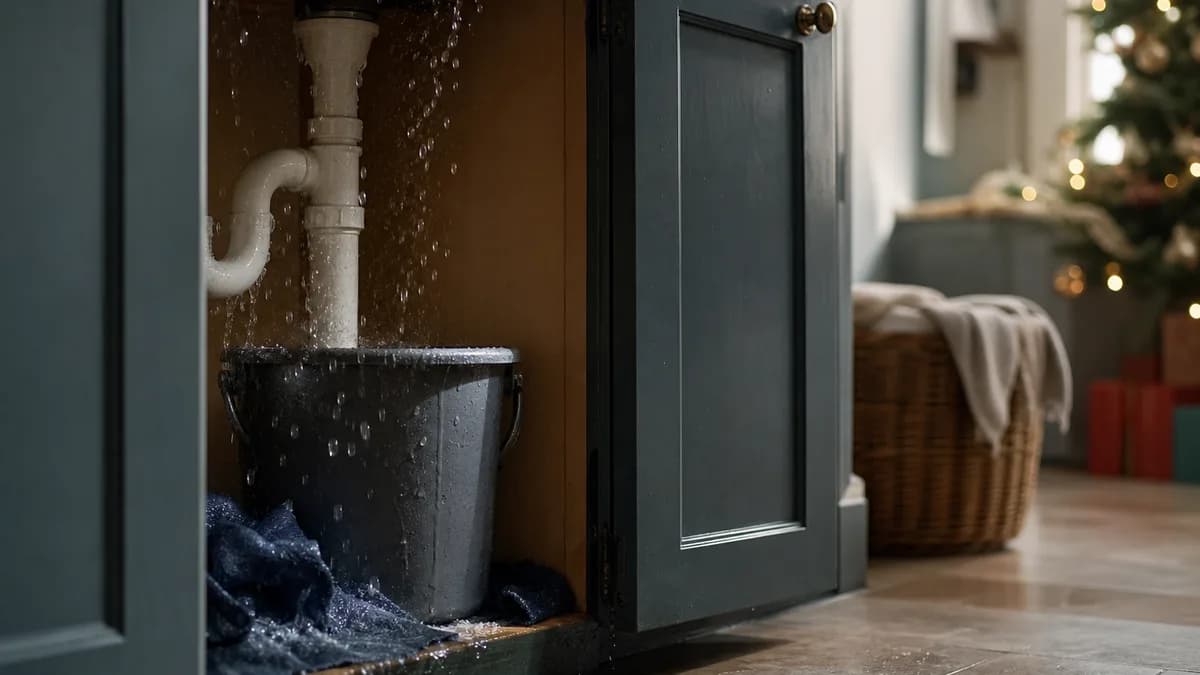
Why Plumbing Emergencies Increase After Christmas
Published by PHD24 · UK plumbing, heating and drainage guidance
In the UK, plumbers often see a post-Christmas spike caused by full houses, heavy cooking and plumbing systems working harder than usual.
Compare whole-life suitability rather than a headline feature or price. Capacity, compatibility, access, maintenance, safety and the condition of the existing services can all change the sensible choice.
Assess the whole installation
The visible fitting is only one part of the job. Water supply, waste route, ventilation, access, structural support, electrical zones and future maintenance can all determine whether a quick-looking change works reliably.
Why demand rises
- Fat and food scraps washed into kitchen sinks. Remove the material at source and put it in the appropriate bin or recycling route. Forcing unsuitable waste farther into the pipe can turn a local restriction into a deeper blockage.
- Wipes and excess paper put down toilets.
- Guest bathrooms and little-used drains returning to service. Check compatibility, isolation and access before proceeding, then test the result while every disturbed connection remains visible.
- Heating and hot-water demand exposing weak components.
- DIY fixes delayed until the holiday is over.
A practical comparison process
- Define the symptom or desired outcome in practical terms rather than choosing a product first.
- Identify the relevant water, waste, heating and electrical connections and how each can be isolated.
- Check measurements, access and the condition of existing valves before dismantling anything.
- Read the manufacturer's instructions and confirm replacement parts suit the UK installation.
- Test one change at a time and inspect every disturbed joint before closing access.
Common mistakes to avoid
- Buying parts from appearance alone without checking size, connection and system compatibility.
- Forcing an old valve or fitting immediately before the water must be restored.
- Copying US terminology, measurements or code advice into a UK installation.
- Removing access or boxing in joints before testing and inspection are complete.
UK context and safety
Prevent problems by scraping plates, binning fat, following the three-Ps rule and dealing with slow drainage before guests arrive.
Do not work on gas appliances, fixed electrical circuits or safety controls unless you hold the appropriate competence. Before any DIY plumbing task, confirm isolation, protect against hot water and consider what will happen if an old valve does not close or a fitting breaks.
Prevention and ongoing care
Build maintenance and future repair access into the choice rather than treating them as afterthoughts.
- Address drips, slow drains, loose fittings and sealant failure before finishes are damaged.
- Retain manuals, model numbers and photographs of concealed pipe routes.
- Schedule seasonal checks around frost, heating demand and periods when the property is empty.
- Use qualified specialists for regulated or safety-critical work and keep their records.
When to call PHD24
PHD24 provides 24/7 support for urgent plumbing, heating and drainage faults throughout the festive period.
PHD24 can inspect the existing installation, explain the realistic options and separate urgent repair from optional improvement. Clear photographs, model details and a short fault history help the engineer arrive better prepared.
Call promptly if water cannot be isolated, wastewater is entering the property, heat or hot water has failed in vulnerable circumstances, or the fault involves gas, wet electrics or a risk to the building. For a non-urgent visit, photographs and a short history help PHD24 plan the right first attendance.
Frequently asked questions
Can I deal with this myself?
Only proceed when you understand the isolation, the task is low risk and the instructions match the UK installation. Stop if gas, fixed electrics, hot-water safety or concealed services are involved.
What information helps before an engineer visits?
Send clear photographs, model details, the age of the installation, the exact symptom and a note of which outlets or services are affected.
Does American plumbing advice apply directly in the UK?
Not without checking it carefully. UK terminology, Building Regulations, water-company responsibilities, Gas Safe requirements and common system designs differ from US practice. Follow current guidance for the relevant UK nation and the equipment actually installed.