
Checking Your Flood Risk and Preparing Your Home
Published by PHD24 · UK plumbing, heating and drainage guidance
Flood risk comes from rivers, the sea, surface water, groundwater and overloaded drainage. A property may face one source even when it is far from a river.
Understanding the system shows which observations matter and where DIY should stop. The aim is not to turn every homeowner into an engineer, but to help you describe the installation clearly and make a proportionate next decision.
How to use this information
Effective recovery follows an order: make the area safe, stop or exclude the source, remove water under controlled conditions, clean and dry the structure, and only then repair finishes. Skipping the drying stage often traps moisture behind new work.
Check risk, then plan
- Use the official flood maps for England, Scotland, Wales or Northern Ireland. Treat the water as contaminated when its origin is uncertain. Keep people away and address electrical and structural risks before extraction or cleaning.
- Check past events, local surface-water routes and insurer information. Separate the immediate make-safe action from cleaning, drying and reinstatement. Each stage may need different evidence and specialist input.
- Register for official warnings where available. Confirm the water source and contamination risk before choosing equipment or disturbing finishes. What is safe for a small clean-water leak may be unsuitable after sewage or floodwater.
- Prepare a plan for valuables, medicines, pets, utilities and evacuation.
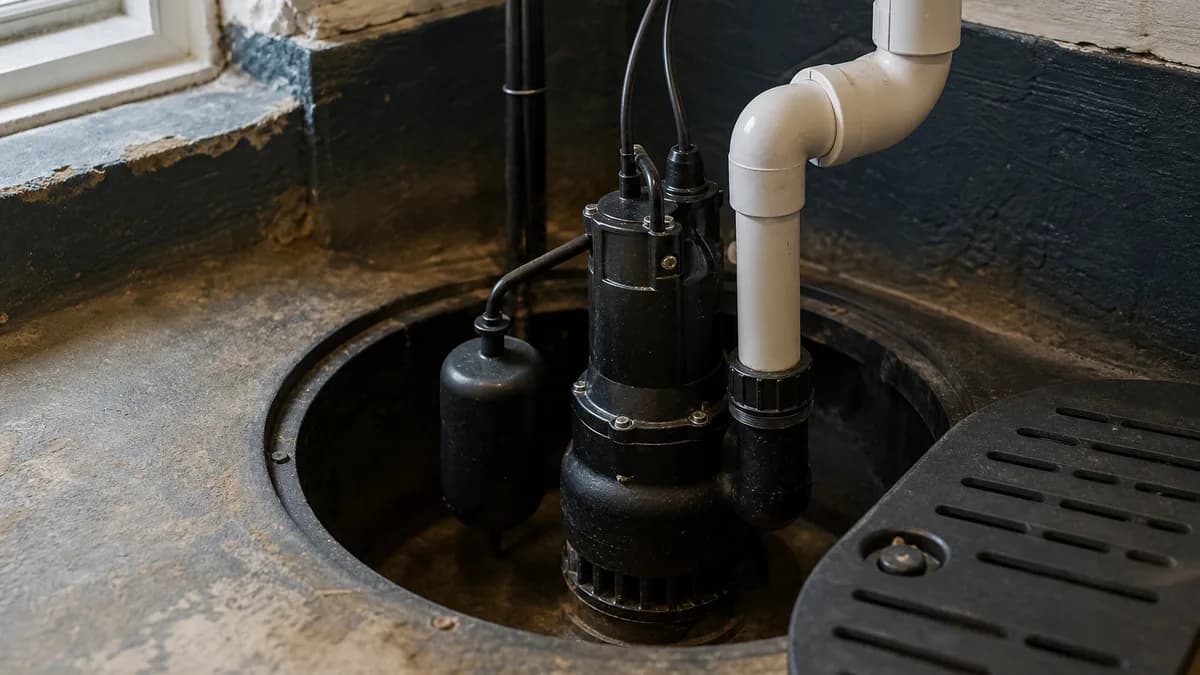
- Maintain gullies, pumps and non-return devices that protect the property. Follow the manufacturer's test method, keep clear of moving parts and verify the outcome rather than listening only for a motor. Wet electrical equipment needs competent attention.
How to assess your own system
- Use suitable professional extraction and drying where water is contaminated or has entered cavities.
- Monitor moisture before reinstating walls, floors, insulation or fitted furniture.
- Keep people and pets out until electrical, structural and contamination risks are understood.
- Follow emergency-service or flood-warning instructions and do not walk or drive through moving floodwater.
- Identify whether the source is plumbing, drainage, surface water, groundwater or a public network issue.
Common mistakes to avoid
- Assuming an online area map predicts the exact flood risk of an individual property.
- Switching electrical equipment on to test it after it has been wet.
- Pumping a cellar rapidly without considering groundwater pressure and structural advice.
- Treating sewage-contaminated material as ordinary household cleaning.
UK context and safety
Flood maps indicate likelihood, not a guarantee for an individual building. Never enter floodwater to reach a stopcock or consumer unit.
Assume floodwater is contaminated unless reliable evidence shows otherwise. Wear appropriate protection, cover cuts and avoid splashes, but do not enter deep or moving water. Electrical installations and gas appliances affected by flooding need competent inspection before they are returned to service.
Prevention and ongoing care
A little planned care usually provides more value than repeated emergency intervention.
- After an event, record what failed so the resilience plan improves before the next warning.
- Know the property's flood sources, warning services and safe evacuation route.
- Keep gullies, channels, gutters and pump inlets clear and test installed protection.
- Store important documents, medication and vulnerable belongings above likely water level.
Useful UK guidance
When to call PHD24
PHD24 can review private drainage, pumps and plumbing measures within its service area.
PHD24 can address plumbing, drainage and pump faults that contribute to flooding. Large-scale extraction, hazardous contamination, structural drying, electrical safety and building restoration may require other specialists working to a coordinated plan.
Call promptly if water cannot be isolated, wastewater is entering the property, heat or hot water has failed in vulnerable circumstances, or the fault involves gas, wet electrics or a risk to the building. For a non-urgent visit, photographs and a short history help PHD24 plan the right first attendance.
Frequently asked questions
Can I deal with this myself?
Only minor clean-water incidents with no electrical, structural or contamination risk are suitable for ordinary household clean-up. Otherwise use appropriate specialists.
What information helps before an engineer visits?
Record the likely source, depth, timing, photographs and any warning or insurance reference, without entering unsafe water.
Does American plumbing advice apply directly in the UK?
Not without checking it carefully. UK terminology, Building Regulations, water-company responsibilities, Gas Safe requirements and common system designs differ from US practice. Follow current guidance for the relevant UK nation and the equipment actually installed.